There’s a moment every blue belt has had. You’re driving home from class and you can name the technique your coach showed. You can describe it step by step. You can even feel where it fits in your game. Three days later, in the round where it would have been perfect, the position arrives and you do nothing — or worse, you do something else, badly.
That feeling of I knew this is more frustrating than never having known the technique at all. And it’s almost never a memory problem.
What you actually forgot
It’s rarely the steps. If someone sat you down and asked you to walk through last Tuesday’s technique, you probably could — slowly, with hesitations, but you could. What you can’t do is retrieve it under pressure, in the half-second window where the position appears in a live round.
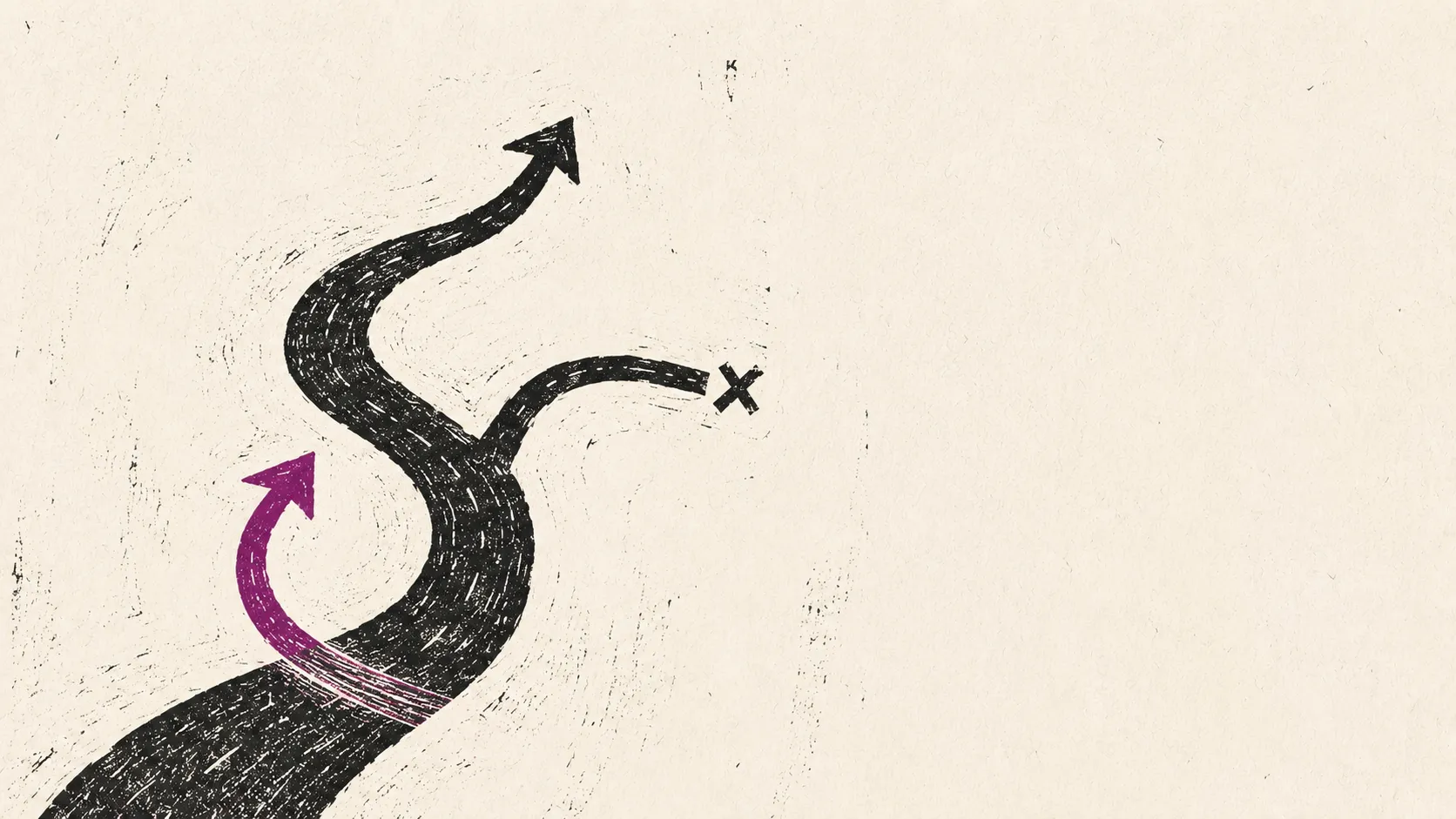
The reason is that a technique only fires when you also know its conditions. If their elbow comes in, do A. If their hip turns out, do B. Those conditions are the trigger, and without them your brain holds the move with no signal to launch it. So you sit in the position for a beat, nothing surfaces, and you move on to something familiar.
Here’s the bug: when you wrote the technique down as a list of bullets — and most people do — you kept the steps and threw the triggers away.
Why drilling alone doesn’t close the gap
Twelve reps in class feels like it should be enough, and it is — for encoding. The neural pattern goes in. The bottleneck is retrieval, which needs a second exposure within a couple of days, or most of what got encoded decays. Memory research has been making this point for about a hundred years; jiu-jitsu just happens to be an unusually efficient demonstration of it.
The second exposure doesn’t have to be physical. Two minutes of walking through the technique in your head — picturing the position, naming the conditions, rehearsing your responses — does more than another round of rote drilling. The catch is that two minutes of visualization is very hard to do without something to look at, and most people’s notes don’t support it. Bullet-point notes support reading, which is closer to skimming a recipe than re-tasting the dish.
What actually helps
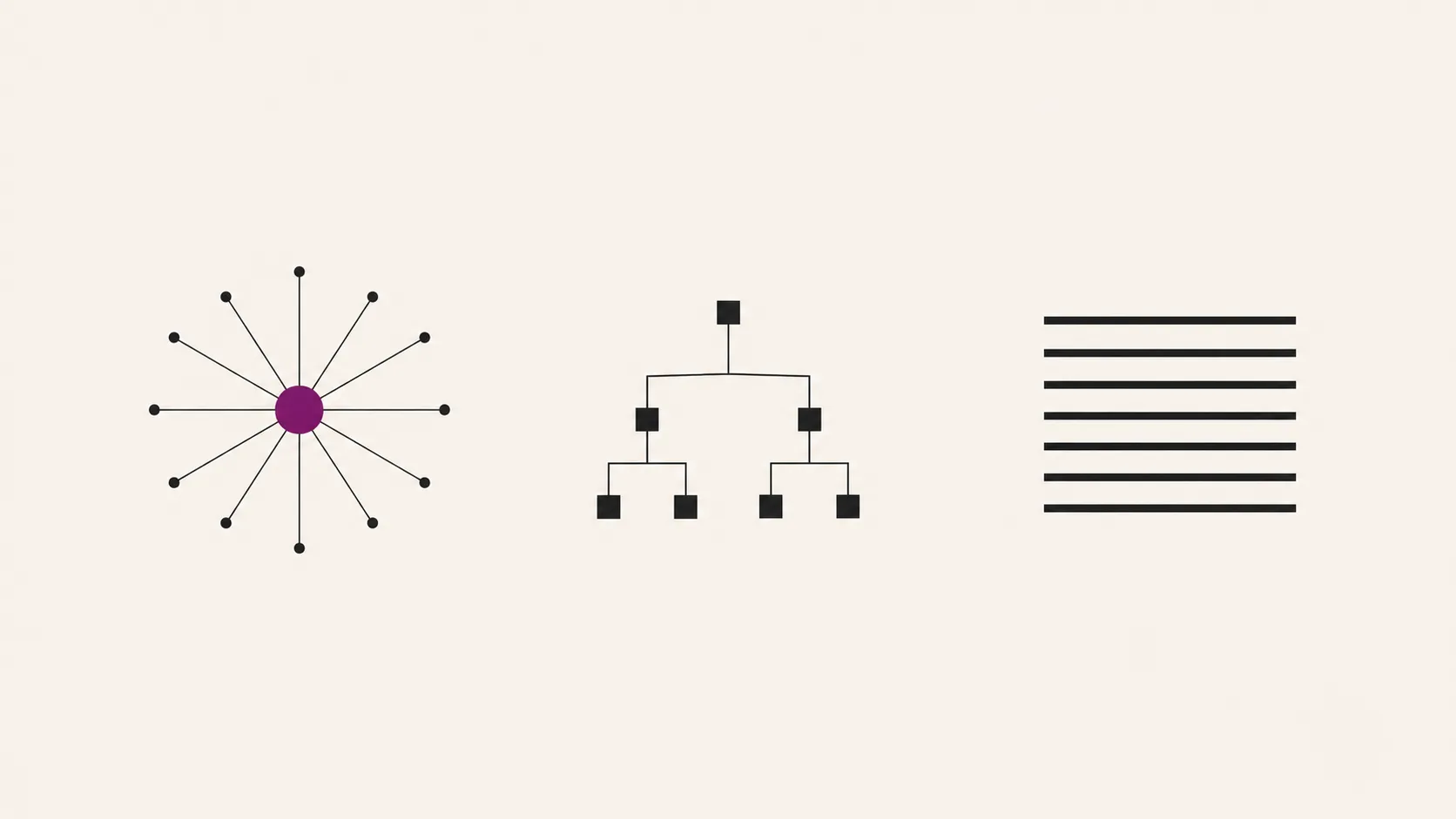
This is a format problem more than a habit problem. Whatever you use needs to preserve the if/then: flowcharts, sketches, even a couple of paragraphs that call out the conditions explicitly. The medium matters less than whether the conditions survive being written down. (The head-to-head on note formats is a longer argument of its own; the short version is that the if/then has to survive being written down.)
The minimum version that works for me looks like this: a voice memo right after class, while the detail is still vivid. A short structured version that night — a flowchart, or a paragraph that names the conditions. Then a sixty-second re-read before the next class.
That’s three exposures inside a week with zero extra mat time, and it’s enough for the technique to stay.
<a class=“inline-cta” href=“https://grappleflows.com/voice?utm_source=blog&utm_medium=referral&utm_campaign=post-why-cant-i-remember-bjj-techniques&utm_content=inline-cta&ref=blog”
Try it free Turn a voice memo into a flowchart that preserves the branches. Create a free account →
Try it with one technique this week
Don’t overhaul your whole system. Run the three steps above for a single technique from your next class, and the next time that position shows up in a round, see whether the right move surfaces.
If it does, the issue was never your memory. You just hadn’t been giving the conditions anywhere to live.
Common questions
Is it normal to forget BJJ techniques the next day?
Yes. Without a second exposure inside 48 hours, most details decay. The fix isn't more reps — it's a review within two days.
How many BJJ techniques should I learn at once?
One per session is the realistic cap. The bottleneck is review bandwidth, not new input.
Does writing techniques down actually help?
Only if the format matches the content. Flat bullets lose the decision tree. Flowcharts and short videos retain it.