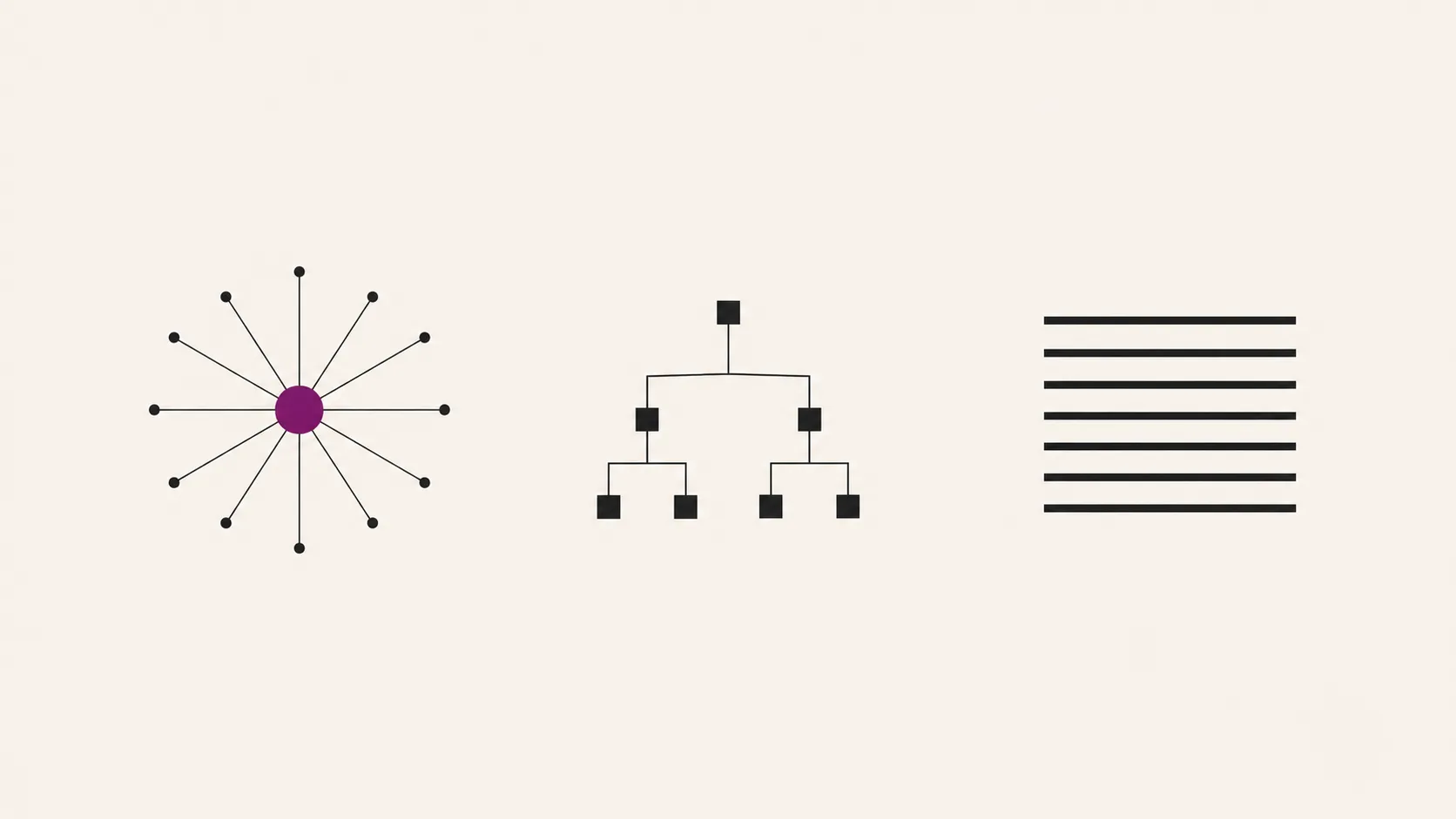
Mind Maps vs. Flowcharts vs. Linear Notes for Learning Jiu-Jitsu
Two years in a single Apple Note called 'Jits', a mind-map phase, and where I finally landed. What each format keeps, what each one throws away, and the trade-off nobody mentions.
Topic
Notes on what actually makes jiu-jitsu stick between classes — the habits, routines, and review systems that turn isolated technique drilling into long-term retention.
7 posts on this topic.
Two years in a single Apple Note called 'Jits', a mind-map phase, and where I finally landed. What each format keeps, what each one throws away, and the trade-off nobody mentions.

Five years, six note-taking systems, one habit that survived. A tour of where Evernote, Notion, Apple Notes, and the BJJ-specific apps broke down, and what replaced them.

You can describe Tuesday's technique step by step, then nothing surfaces mid-roll. It's not a memory problem: you kept the steps and threw away the triggers.

I spent my first two belts as a generalist with a B-minus version of four guards. Picking one and going deep for six months was the biggest jump my game ever made.

A leather notebook, two years of Apple Notes, a Notion database I tinkered with more than I used — and the embarrassingly simple two-step loop that finally made techniques stick.

The post-roll voice memo isn't about being thorough. It's about catching the one detail that would have evaporated by the next session — in the parking lot, in under a minute.
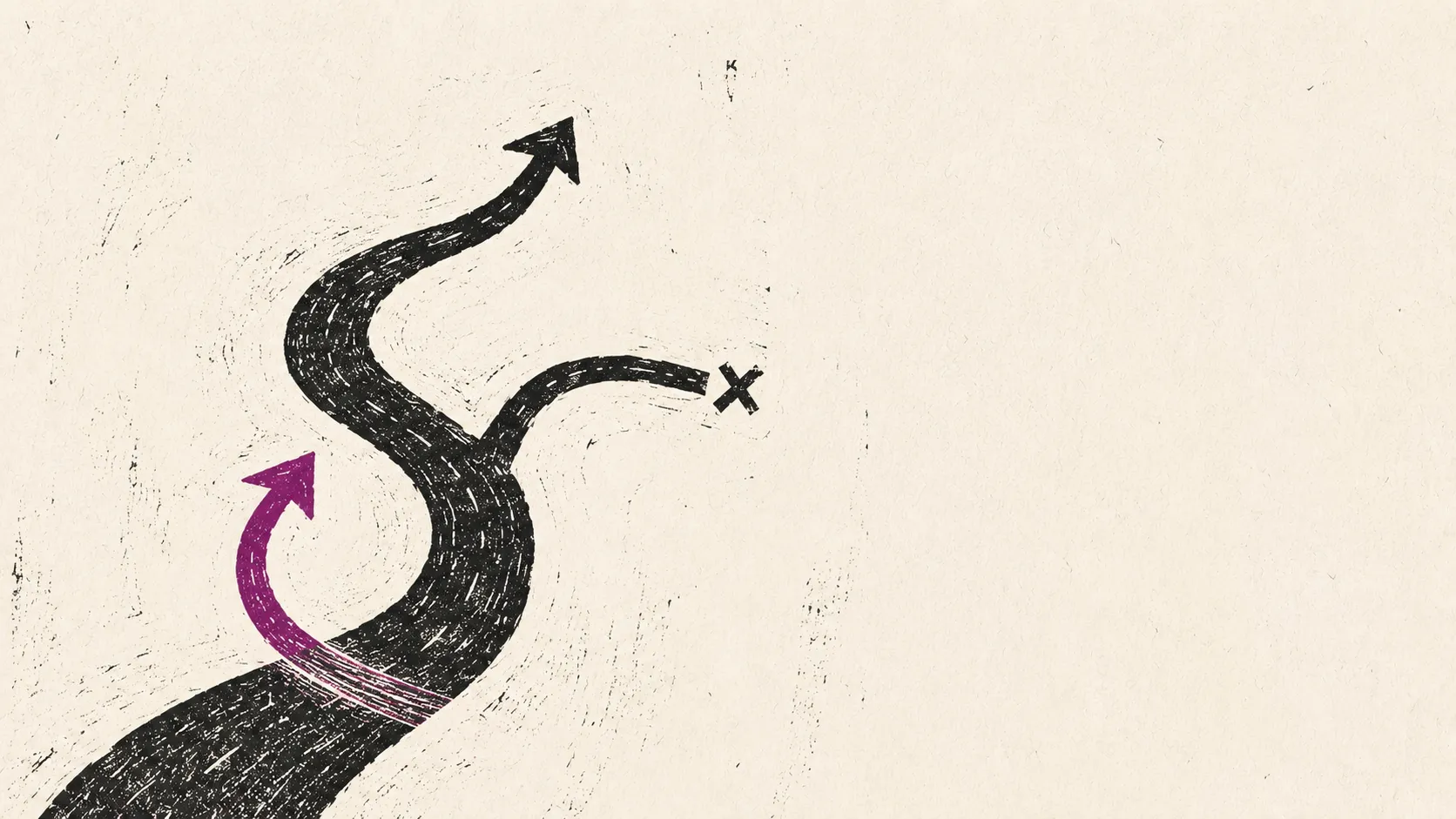
Most jiu-jitsu notes keep the move and lose the decision tree around it. BJJ flowcharts keep the sequence, the fallback, and the return path in one glance.