Most jiu-jitsu notes fail the same way: they capture plenty of detail but lose the shape of the decision tree. You remember the move, but not when it branches, what it counters, or how it connects to the next reaction. Two weeks later the note reads like a recipe for a dish you can’t picture.
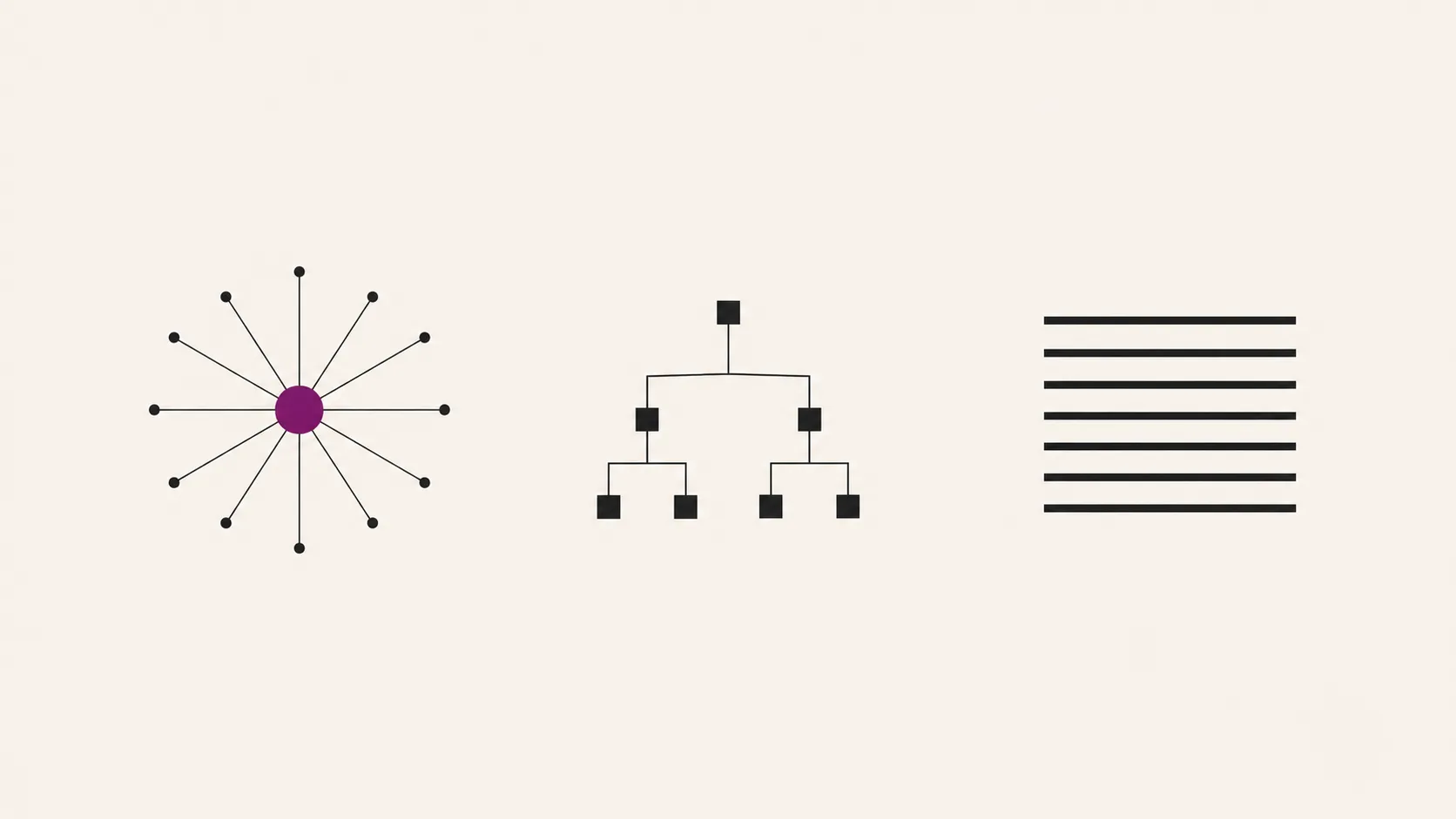
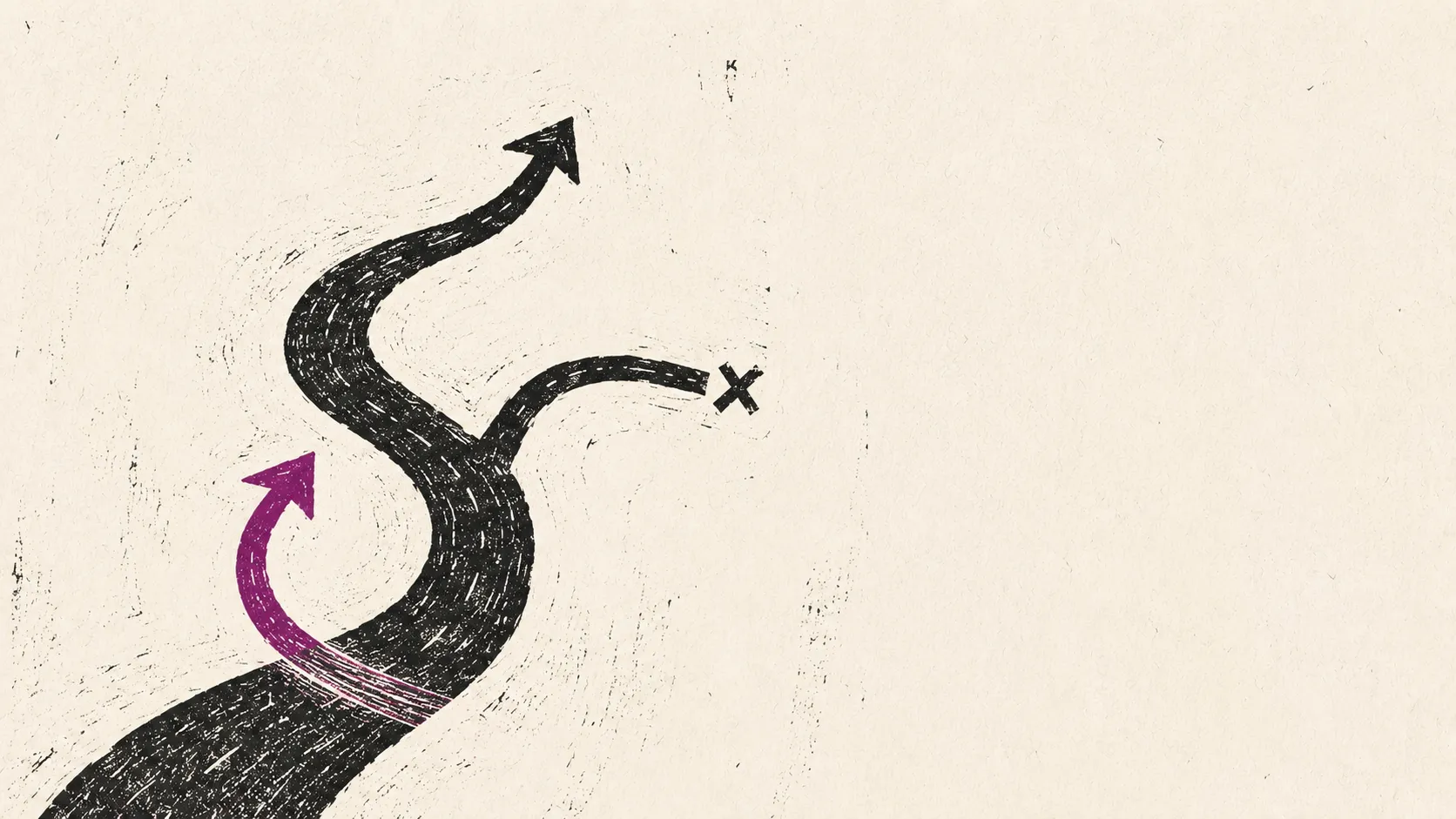
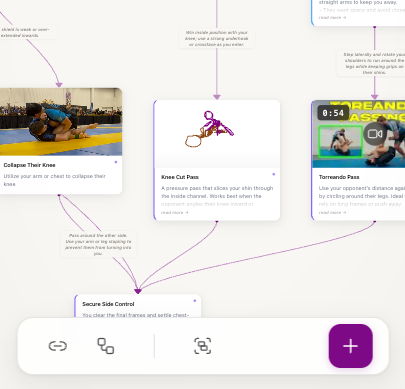
Flowcharts hold up better because they keep the sequence, the fallback, and the return path visible in one place. When you revisit a round a day or two later, the structure is still there — instead of a pile of disconnected bullet points, you’re looking at if they do this, I do that, which is the part of the technique that decays first — and the part you need in a live round.
The re-open test
The honest measure of any notes system: of the last five notes you took after class, how many have you looked at since? With linear notes, the common answer is zero, because finding the relevant part means scrolling and re-reading. With a chart, finding the branch you need takes a few seconds, so the re-read before Thursday’s class actually happens.
Where to start
You don’t need software to test this. After your next class, sketch one technique as boxes and arrows: the position at the top, the opponent’s two most likely reactions below it, your answer to each. If that sketch turns out to be the note you actually consult before the following class, the format is doing something your bullet lists weren’t — and at that point it’s worth making the habit cheap, which is the problem Grapple Flows exists to solve.