
The Best BJJ Flowchart Apps in 2026, Compared
BJJ flowchart apps compared: BJJFlowCharts, Grapple Flows, Jiu-Jitsu Chart, BJJ Flow Tracker, JJXF, and MindBJJ. Platforms, prices, and who each suits.
Topic
20 posts on this topic.
BJJ flowchart apps compared: BJJFlowCharts, Grapple Flows, Jiu-Jitsu Chart, BJJ Flow Tracker, JJXF, and MindBJJ. Platforms, prices, and who each suits.
Six solo BJJ drills you can do at home with no partner or equipment, in 15 minutes — the ones that actually transferred to my rolls.
Spider keeps opponents out; lasso ties them up. I played spider for two years against bodies it didn't fit — here's the routing logic for choosing between them mid-round.
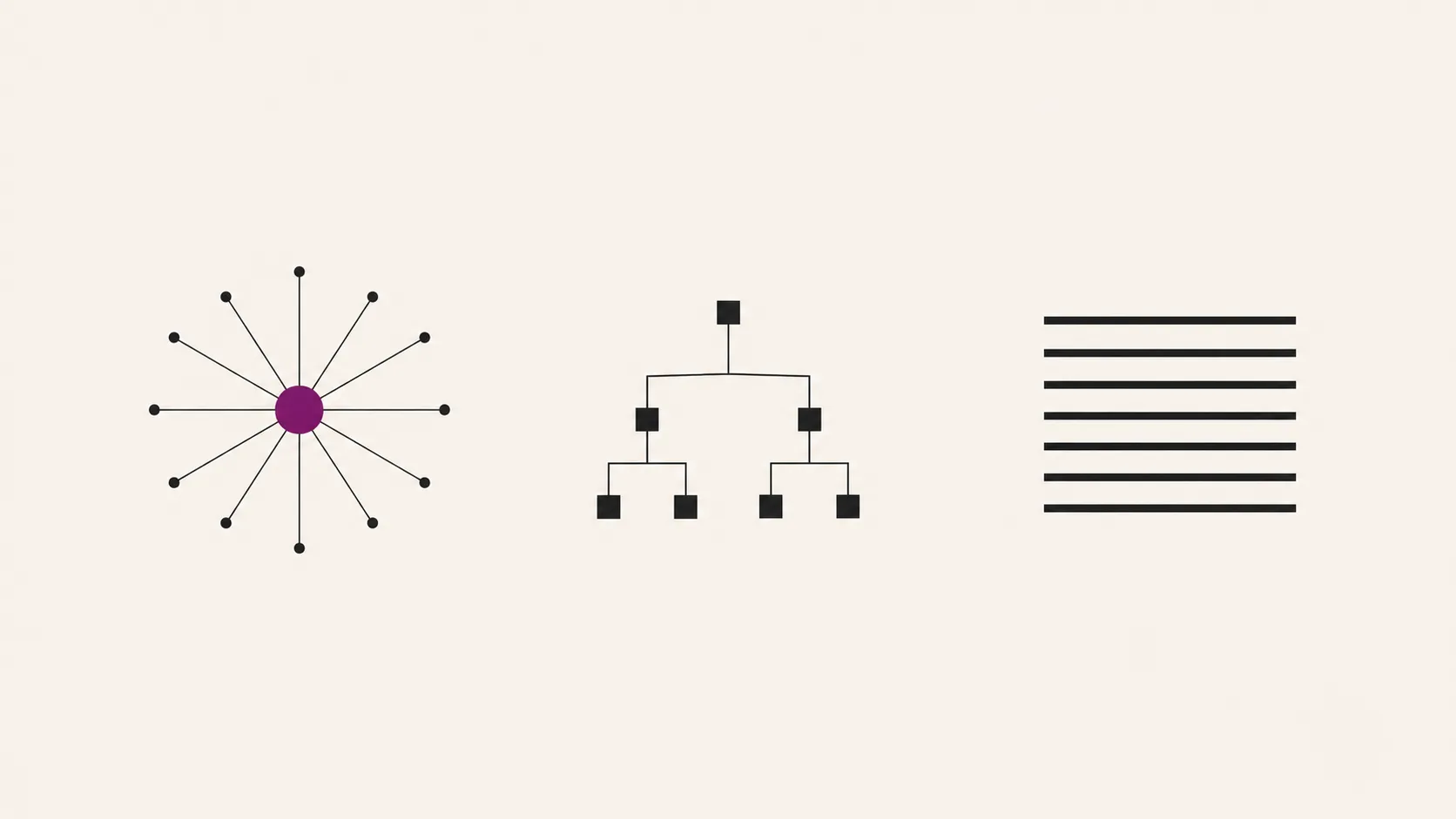
Two years in a single Apple Note called 'Jits', a mind-map phase, and where I finally landed. What each format keeps, what each one throws away, and the trade-off nobody mentions.
Every training partner over 35 who's still on the mats ended up centering their game on half guard. That's not a coincidence — it's the guard with the cheapest maintenance cost.
A six-week BJJ competition prep plan for ADCC, IBJJF Worlds, or your local open, starting with the no-new-techniques rule.
I subscribe to one and own a folder full of the other. What each is actually for, the integration step both of them skip, and which one I'd keep if forced to choose.
I've added two guards to my game with the same four-week protocol, built around a single constraint: the new guard only gets the first five minutes of every round.
I spent a year treating my DLR problem as a technique gap and drilling new sweeps that never landed. The actual problem was routing. Here's the four-branch map.
Five years, six note-taking systems, one habit that survived. A tour of where Evernote, Notion, Apple Notes, and the BJJ-specific apps broke down, and what replaced them.
You can describe Tuesday's technique step by step, then nothing surfaces mid-roll. It's not a memory problem: you kept the steps and threw away the triggers.
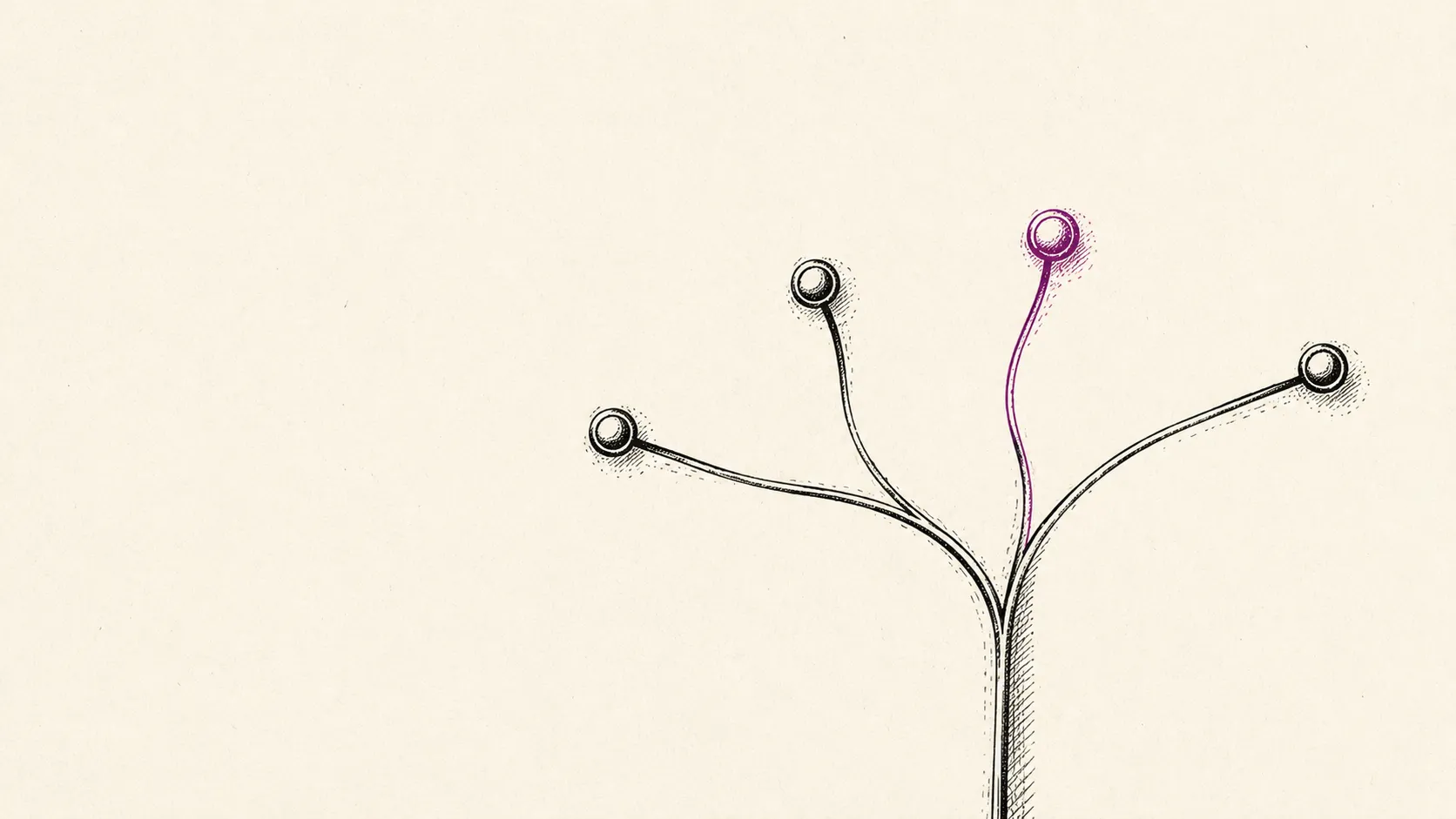
The scissor sweep stopped working for me at blue belt. It came back once I treated it as a four-branch closed guard attack tree instead of one sweep.
I spent my first two belts as a generalist with a B-minus version of four guards. Picking one and going deep for six months was the biggest jump my game ever made.
My phone's BJJ folder has survived three purges. What's still installed in 2026, what got deleted and why, and the minimum stack I'd recommend to someone starting fresh.
A leather notebook, two years of Apple Notes, a Notion database I tinkered with more than I used — and the embarrassingly simple two-step loop that finally made techniques stick.
Five years of trying every BJJ notes app led to one conclusion: the format was the bottleneck, not the apps. So I built something with the shape jiu-jitsu actually has.
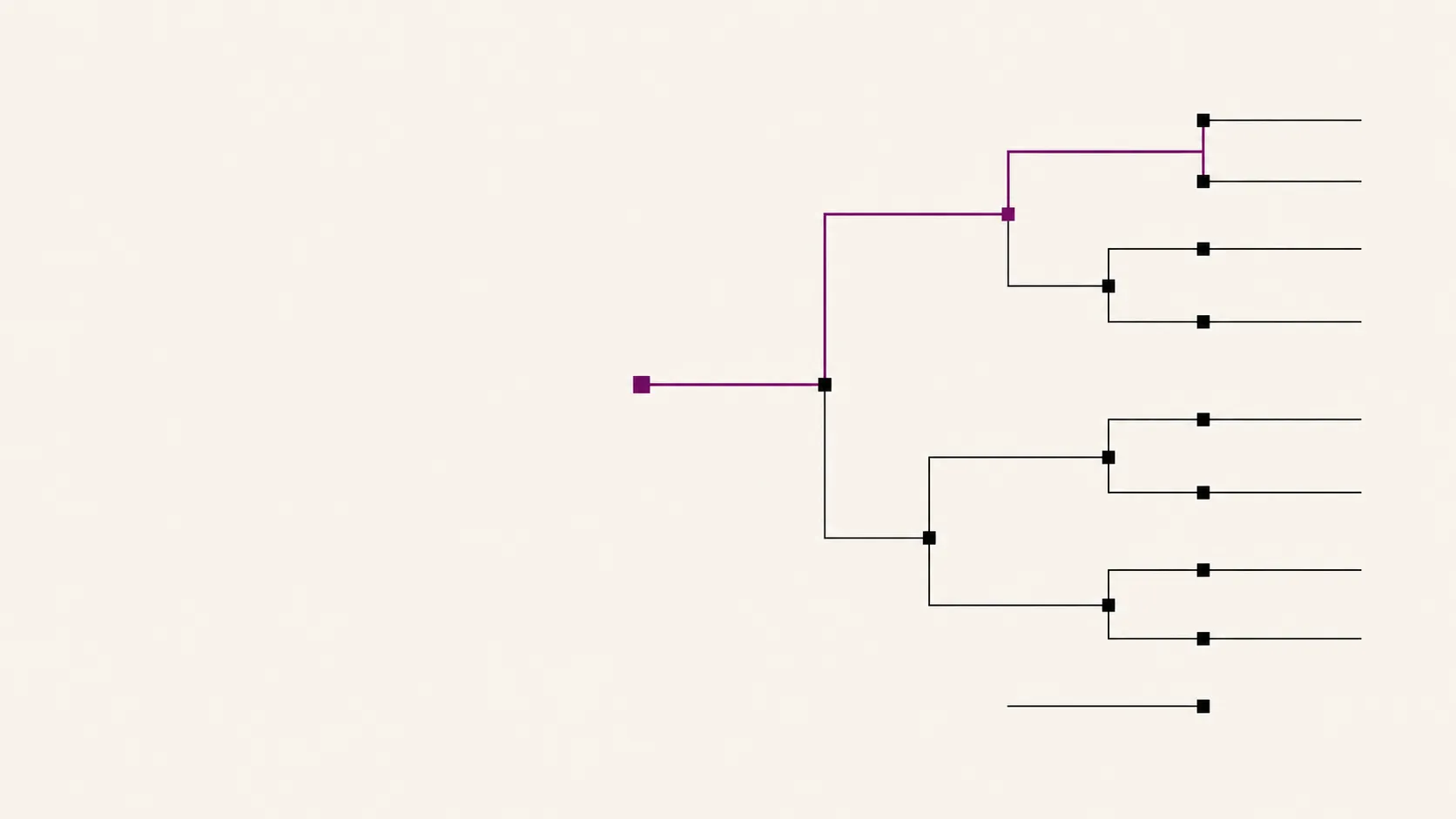
How IBJJF brackets work: bracket sizes, why BYEs happen, how ranking points drive seeding, and how to read your division before you compete.
Craig Jones' Octopus Guard 2.0 isn't a guard you hold — it's a decision tree that turns the passer's pressure into a path to the back. Here's the map.
Most jiu-jitsu notes keep the move and lose the decision tree around it. BJJ flowcharts keep the sequence, the fallback, and the return path in one glance.
BuddyTape started in 2019 as a free way to map your jiu-jitsu. Six years on, the same idea gets a rebuild — better mobile, deeper video, smarter organization.