For most of my purple belt I was a written-notes guy. Come home, sit at the desk, type up what we drilled in clean bullet points. About three months in I had a folder full of files I’d never re-opened. The notes weren’t wrong — they just never became a habit, because by the time I sat down at the desk, the urgency was gone.
What changed was an accident. One night I realized I was about to forget the detail my coach had corrected on my underhook, and I panicked into Voice Memos at a red light. Listening back the next morning, everything was still there: the way I’d described the position, the exact phrase I’d used, the audible moment of “oh, that’s what he meant.” No written note of mine had ever held that much.
What written notes quietly lose
The way you talk about a position twenty minutes after a round is different from how you write about it the next day. Same content, very different fidelity. The voice memo version is messier and more specific; the written version, twelve hours later, has been smoothed into a summary that I’ll never feel the need to re-read.
I didn’t realize how much the writing was losing until I had voice recordings to compare against. That’s the real argument for voice memos — not that writing is bad, but that you can’t notice writing is lossy until you have something less lossy next to it.
The system I settled into
A voice memo every session, in the car, sixty seconds. That’s the capture step and the only non-negotiable part. Some nights I convert the memo into a flowchart or a short structured paragraph; many nights I don’t, and I’ve stopped feeling guilty about it, because even unconverted memos re-listen fast and keep their fidelity.
When I do write, it’s for structure — forcing myself to commit to what actually happened, in order: position, opponent’s response, what I tried, what failed. Writing in that sequence makes me diagnose, which voice alone doesn’t always do.
Video, the one I should do more
I put off filming for years because it felt like overkill, and for regular class it kind of is. For open mat — rolling against people outside my usual group — it’s the only format that tells the truth.
Twice now I’ve watched footage back and discovered that the pass that “worked on me” actually started three moves earlier than I’d thought. My in-round perception was simply wrong, both times, and the camera was the only thing that could have corrected it.
I won’t pretend to be consistent about this. I film maybe once a month, review less often than that, and the GoPro spends half its life uncharged. But when I do close the loop, the recalibration is bigger than anything a single class gives me.
The stack, if you’re starting from zero
- A voice memo every session, in the car, sixty seconds. (Here’s exactly how I run it.)
- One night a week, turn the week’s memos into something with shape — a flowchart, a paragraph, even three bullets you’ll genuinely re-read.
- Film once a month if the camera habit comes naturally to you. Skip it if it doesn’t; video is the least important leg of the three.
<a class=“inline-cta” href=“https://grappleflows.com/voice?utm_source=blog&utm_medium=referral&utm_campaign=post-voice-vs-written-vs-video-bjj-review&utm_content=inline-cta&ref=blog”
Try it free Turn your voice memos directly into structured flowcharts. Create a free account →
Three formats, three timescales
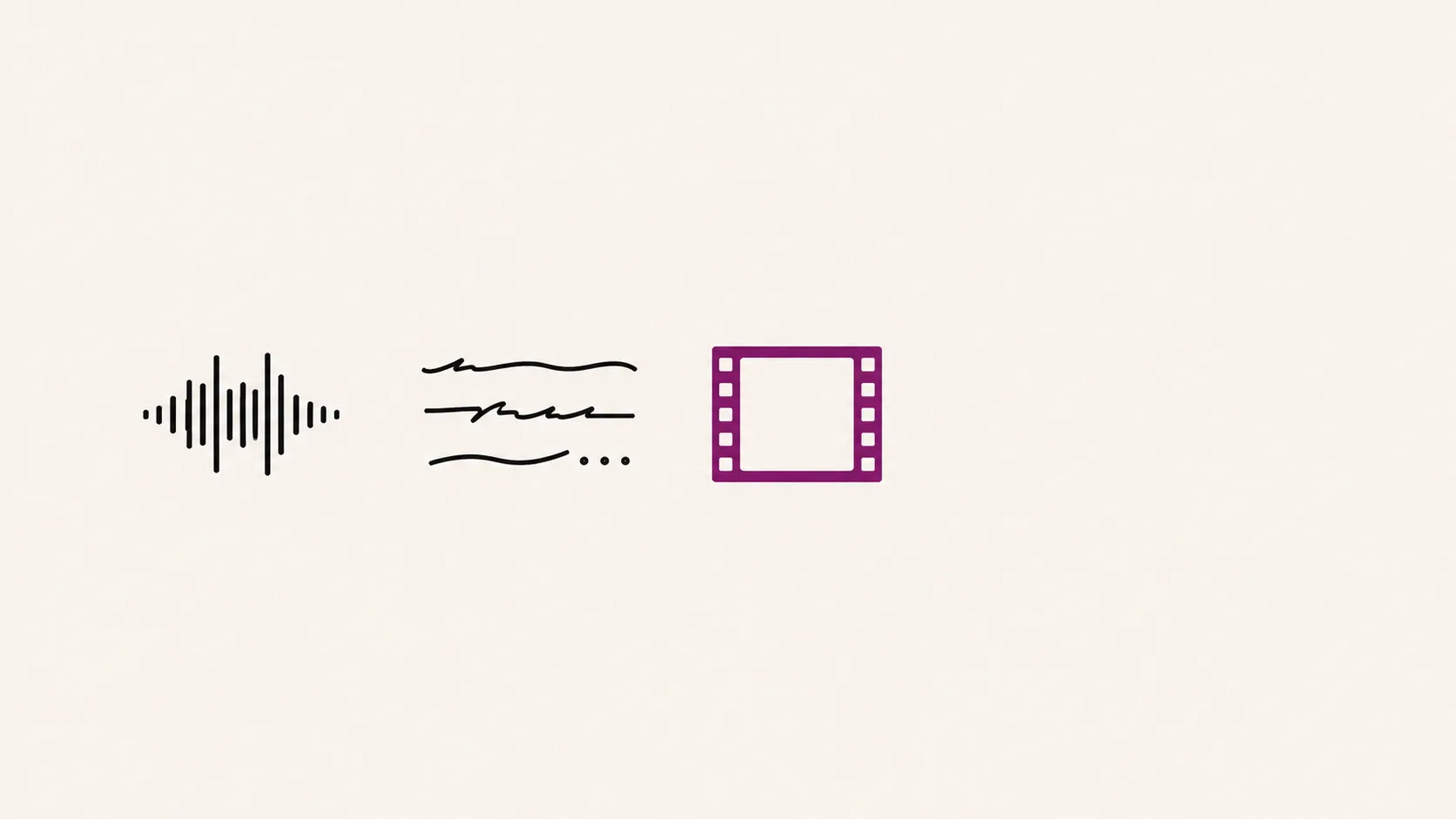
Voice captures fidelity, writing forces diagnosis, video supplies ground truth. They aren’t substitutes — they fail in different directions. Voice without structure becomes a graveyard of memos, writing without voice loses the detail, and video without either is unwatchable months later.
That said, I’d rather you do voice memos alone, badly, for a year than run all three for two weeks and quit. Build the habit at the lowest-friction point and let the other formats arrive when they’re ready to.