A fast post-class voice memo beats a perfect written summary for one simple reason: it actually happens. The goal of the capture step isn’t polish — it’s preserving what felt important while the round is still fresh. (If you don’t have the memo habit yet, start with the 60-second version.)
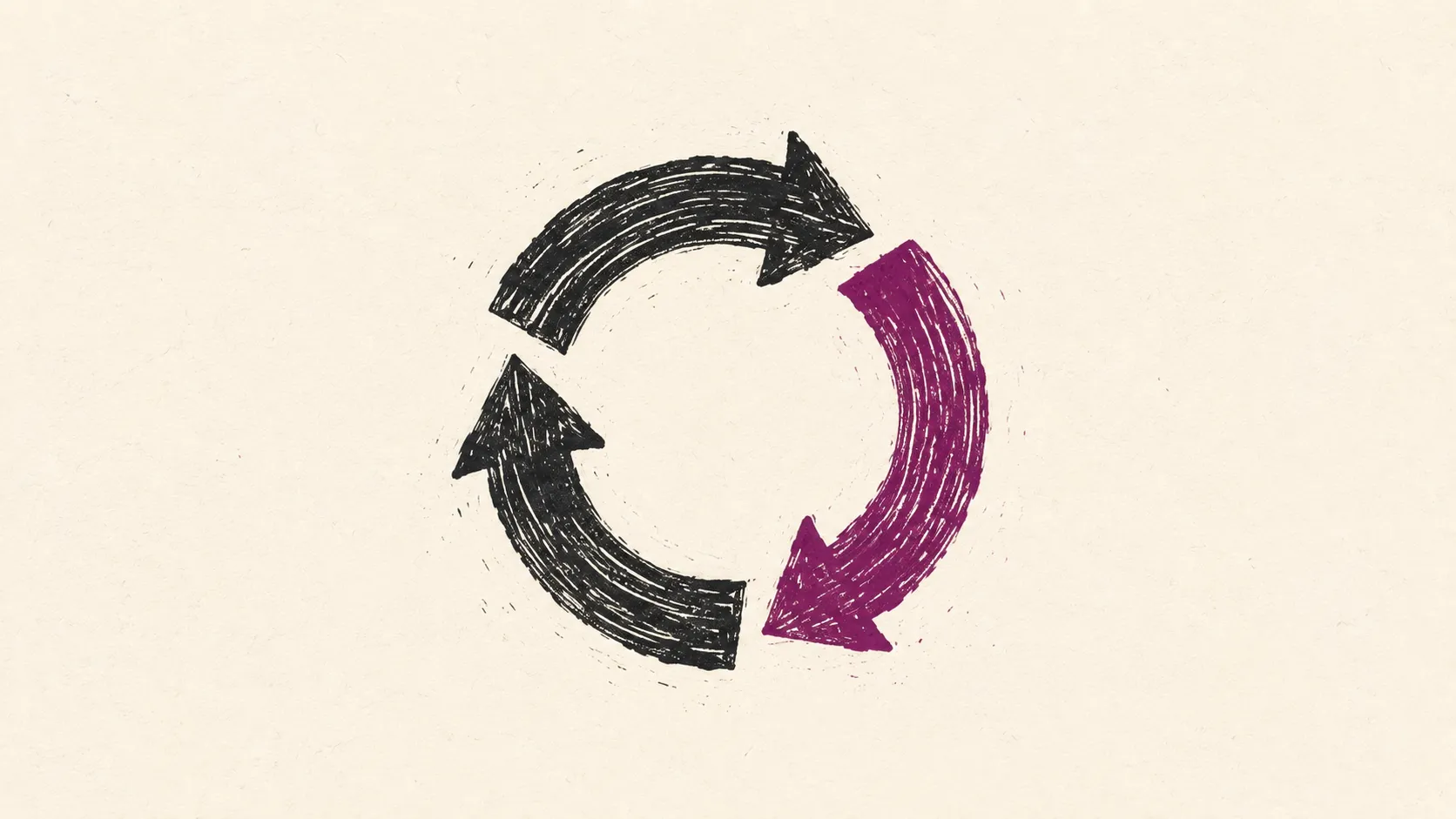
But a memo on its own is just a recording. Left alone, voice notes pile up the same way unread bullet points do, and six months later you have an audio graveyard instead of a text one. What makes the habit pay off is the loop around it.
Clarity usually comes after capture, not before it.
The loop, in three steps
Capture in the parking lot, sixty seconds, while the detail is intact. This is the only step that has to happen on training day.
Structure later, when you sit down to study. The voice note is a seed: replay it once, pull out the position, the reaction, and what you tried, and capture that shape as a flowchart. Then archive the audio — the chart is what you’ll come back to, because thirty seconds of skimming a chart beats scrubbing through audio every time.
Review before your next session. Sixty seconds re-reading the chart is the step that makes the technique show up in live rounds, and it only works because the structure step made the note skimmable.
Why the middle step matters
Capture-only systems fail quietly. You feel productive recording memos, but retrieval is what improves your game, and raw audio is nearly impossible to retrieve from. The structure step is the bridge — it’s also the step with the most friction, which is exactly the part Grapple Flows’ Voice to Flow was built to shrink: memo in, draft flowchart out, edit for two minutes, done.
Run the loop for a few weeks and the charts start showing you patterns no single class reveals — the position you keep losing, the sweep you have three entries to and no finish from. That’s when your training stops being a sequence of disconnected lessons and starts being a study loop.