How to Remember BJJ Techniques After Class
A leather notebook, two years of Apple Notes, a Notion database I tinkered with more than I used — and the embarrassingly simple two-step loop that finally made techniques stick.
Page 3 of 3
Older posts, in publish order.
A leather notebook, two years of Apple Notes, a Notion database I tinkered with more than I used — and the embarrassingly simple two-step loop that finally made techniques stick.
Five years of trying every BJJ notes app led to one conclusion: the format was the bottleneck, not the apps. So I built something with the shape jiu-jitsu actually has.
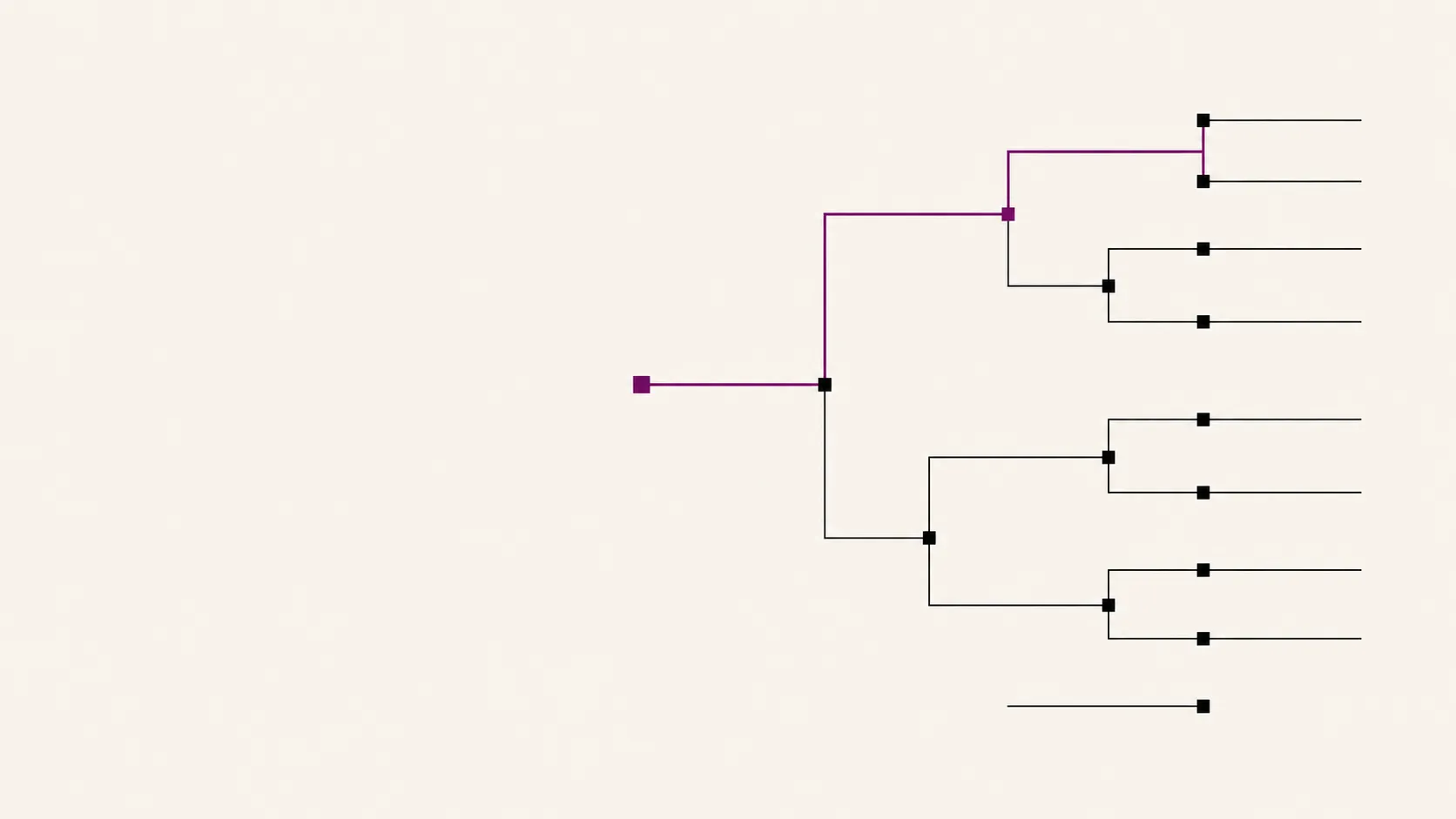
How IBJJF brackets work: bracket sizes, why BYEs happen, how ranking points drive seeding, and how to read your division before you compete.
A redesigned node editor, linked flows, cleaner exports, and smoother auto-flows — plus 7 new Pro charts from Lachlan Giles' Body Lock Passing.
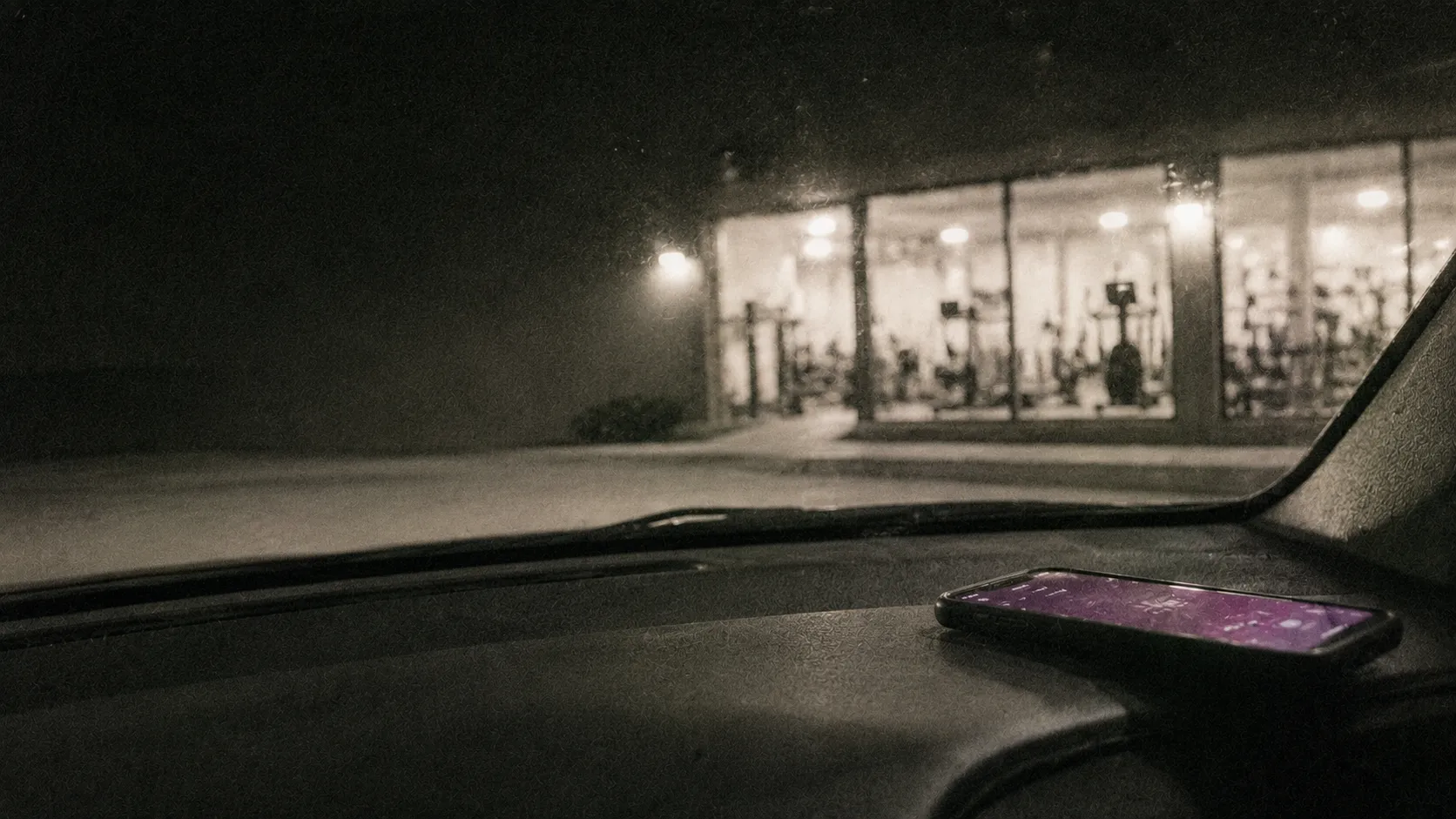
The post-roll voice memo isn't about being thorough. It's about catching the one detail that would have evaporated by the next session — in the parking lot, in under a minute.

Grapple Flows Pro is live with mapped instructionals from Roger Gracie, Marcelo Garcia, Kaynan Duarte, and Ryan Hall. Plus Community Flows, Collections, and more.
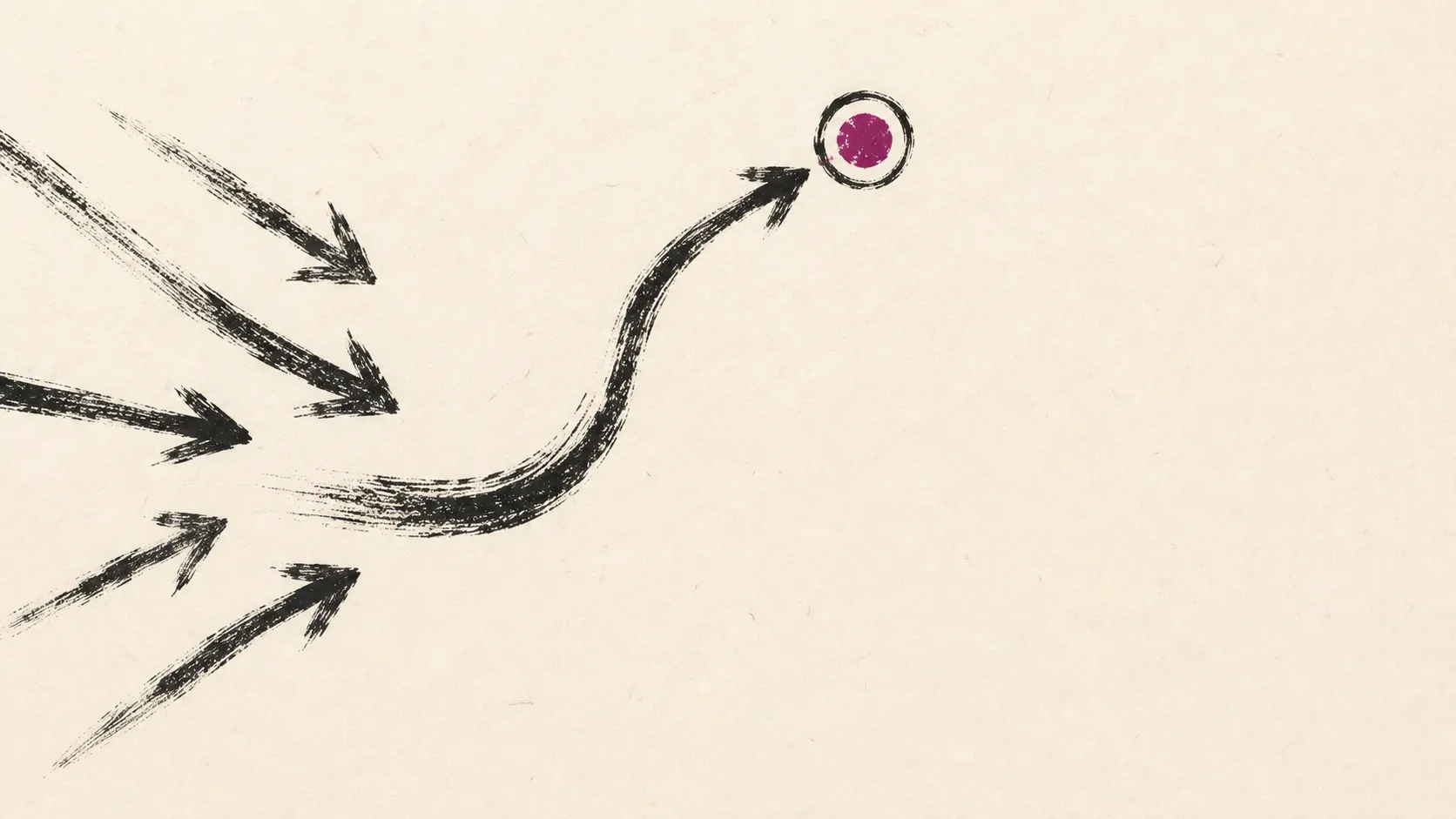
Craig Jones' Octopus Guard 2.0 isn't a guard you hold — it's a decision tree that turns the passer's pressure into a path to the back. Here's the map.
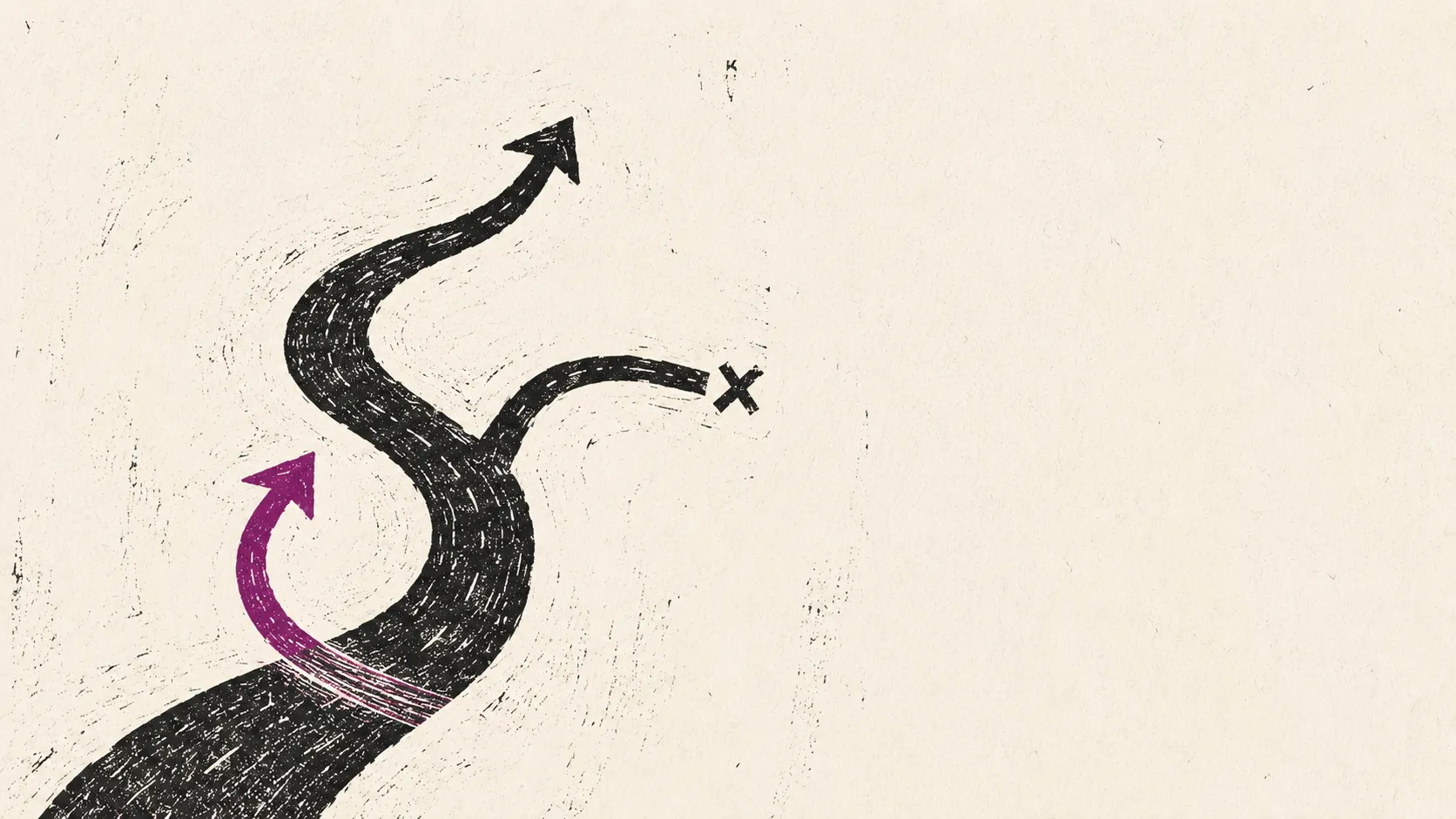
Most jiu-jitsu notes keep the move and lose the decision tree around it. BJJ flowcharts keep the sequence, the fallback, and the return path in one glance.
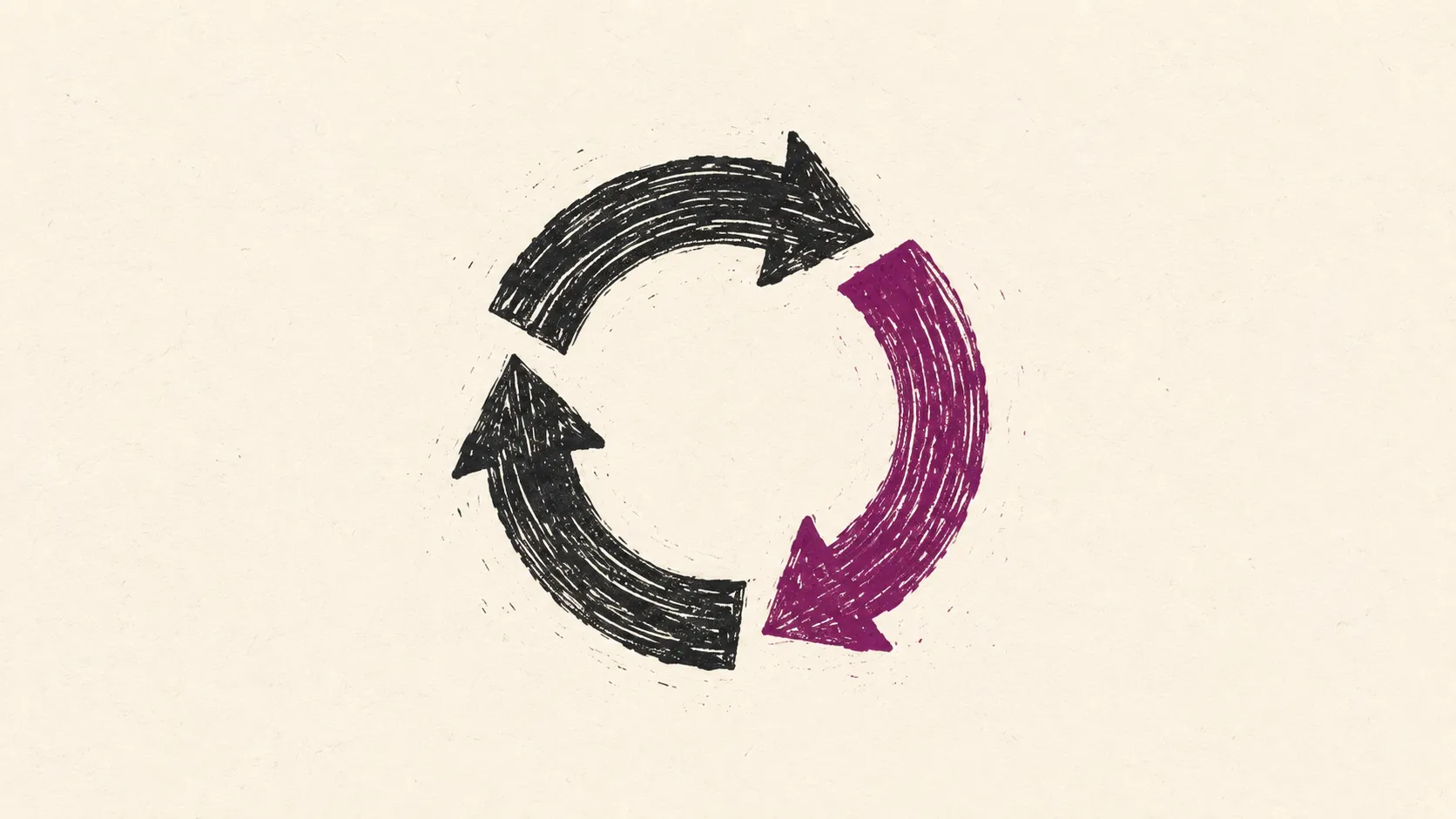
A voice memo on its own is just a recording. Wired into a weekly loop — capture, structure, review — it becomes the cheapest training upgrade in jiu-jitsu.

A polish-heavy release: smoother mobile, faster node drawers, better Autoflow transcription, plus a new Discovery tab and a feedback form.
BuddyTape started in 2019 as a free way to map your jiu-jitsu. Six years on, the same idea gets a rebuild — better mobile, deeper video, smarter organization.