I’ve been using AI in my BJJ study in some form for about a year now. ChatGPT for most of it, a few of the vision models on rolling footage, a couple of the BJJ-specific tools floating around Reddit. Most of them didn’t stick. The two that did are the unsexy ones, and neither involves a robot telling me how to pass guard.
I’ll skip the “AI will revolutionize martial arts” framing because nobody who actually trains believes it. The realistic version is more modest: there are a couple of specific places where AI is now genuinely useful, and a longer list of things people assume it does well that it doesn’t do at all.
Where AI actually helps with jiu-jitsu study
Transcribing voice memos. This is the boring one. I record a 90-second memo in the car, dump the file into a transcription tool, and a few seconds later I have clean text. The text itself isn’t the point. What matters is that getting from voice to written used to involve enough friction to kill the habit entirely, and now it doesn’t. Once that step went to zero effort, the rest of my study loop became possible.
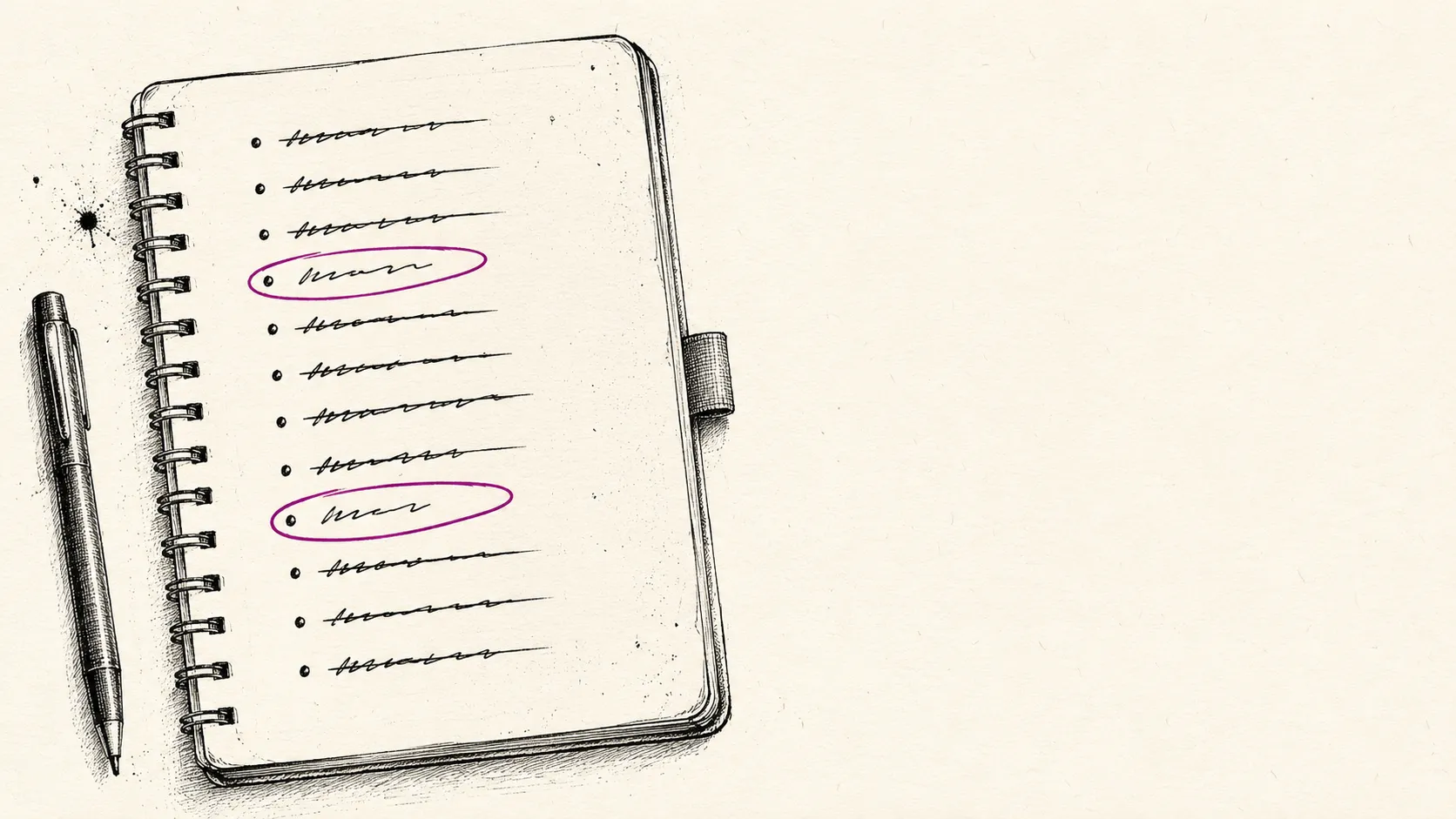
Restructuring rambling notes. If I write a stream-of-consciousness paragraph about a position (“the knee cut from open guard kept working and I kept getting flattened”), I can paste it into ChatGPT and ask for a tighter version with the position, the move, the counter, and the cause separated out. The output is usually about 80% there and I edit the rest, which still beats starting from a blank page.
And that’s the whole list. A year of experimenting, two survivors.
What people think AI can do, that it can’t
Coach you from video. I’ve tested this with a few of the multimodal models. They can describe gross movement, things like “your opponent passed your guard, you tried to recover, he ended up in side control.” But the small details that actually matter get missed or, worse, hallucinated. The descriptions sound confident, which is the dangerous part. A confident-sounding wrong answer is much harder to spot than no answer.
Give technique advice for your body. The models don’t know my body, my injuries, my training partners, or my coach’s preferences. When I ask “how do I escape side control,” I get a YouTube-quality generic answer. Not useless, but no better than searching YouTube directly, and the YouTube version comes with a demonstration.
Replace the thinking. This one I have to actively remind myself about. There’s a real pull to ask “what should I work on next?” and get a plausible-sounding paragraph back. The paragraph is always plausible. It’s almost never right, because the model has no idea what I’m bad at. I do, and figuring that out is my job, not the software’s.
Two patterns that have worked for me
The first is voice memo → transcript → flowchart. Transcription is AI. The flowchart shape is partly AI (the first draft) and partly me (the editing, the conditions under each branch). The editing is where the actual learning happens. If I skip it, the chart is someone else’s diagnosis of my round, which is no better than reading a generic instructional.
The second is what I’d call paste-and-constrain. When I’m using ChatGPT on a rambling note, I add a line that says “don’t suggest new techniques — I want to understand what happened first.” Without that constraint the model jumps straight to solutions, and I end up with five new moves to drill and zero clarity about what went wrong. With it, the output stays diagnostic. The prompts themselves are a longer topic; the constraint is the part that transfers.
<a class=“inline-cta” href=“https://grappleflows.com/voice?utm_source=blog&utm_medium=referral&utm_campaign=post-ai-tools-for-martial-artists&utm_content=inline-cta&ref=blog”
Try it free A purpose-built tool for turning voice memos into BJJ flowcharts. Create a free account →
My take after a year
The most overrated AI use case in BJJ right now is “AI coach” anything: the products that promise weekly plans, the apps that claim to grade your rolls. The most underrated is the transcription-and-restructuring workflow I just described. The first category gets the marketing budget. The second is the one I actually use.
If you’ve been hearing about AI for jiu-jitsu and feeling like you should be doing something with it, try one of the two patterns above for two weeks. If neither sticks, that’s fine. The rest of the tooling can wait until it’s good enough to deserve your attention.